In modern-day James City County, Virginia, a place called ‘Warhill’ is now more often associated with the local high school or the County-sponsored sports complex bearing that name. What many don’t know is that right in this area between Centerville and Longhill roads and in the vicinity of what used to be called ‘Six-Mile Ordinary’ (modern-day Lightfoot, VA), a battle was fought whose outcome leaves questions as to which side was victorious.
On April 21, 1781, and almost a year to the day after the Capitol of Virginia had moved from Williamsburg to Richmond, Continental Army Colonel James Innes reported 500 British infantry and associated horses and artillery at Burwell’s Ferry.1 This ferry and warehouse location were a major port of entry for Williamsburg at a site which is now visible from the modern-day Kingsmill Resort golf course and the 17th hole near the James River.2
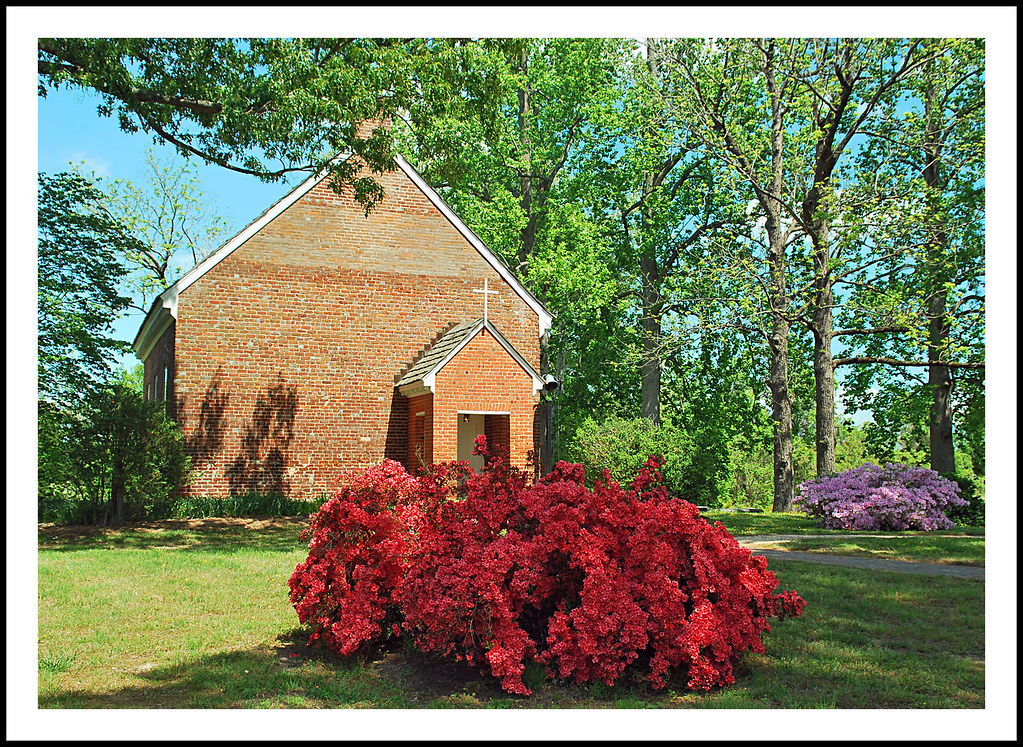
Colonel Innes had to withdraw his troops to the Northwest to ‘Six Mile Ordinary’ and made his camp at the still-standing Hickory Neck Church. By April 23rd, he sent a dispatch to Governor Jefferson to notify him that the British had burned and destroyed the Chickahominy Shipyard to the West, along with its buildings and a 20-gun ship under construction. The loss of this shipyard and other vessels effectively signaled the demise of the Virginia State Navy.3
The massing of British forces on the Virginia Peninsula continued into May of 1781 when General Charles Lord Cornwallis joined forces with General Phillips’ men near Petersburg. They amassed a British Army of 7,000 strong under the command of the traitor Benedict Arnold. By mid-June, Cornwallis’ forces joined Lt. Colonel John Simcoe’s Queen’s Rangers, crossing and burning the bridge at Diascund Creek. By then, the Marquis de Lafayette had joined forces with Allied Generals von Stueben and Anthony Wayne to assemble approximately 1,900 Continental regulars and 3,000 militia. As Lafayette made camp at the Chickahominy Church near ‘Burnt Ordinary’ (modern-day Toano), his advanced detachment was heading towards ‘Spencer’s Ordinary’ (modern-day Freedom Park in James City County).4 There on June 26th, they engaged some of Cornwallis’ men where there was “intense fighting along Centerville Road” and where men from both sides were killed or captured.5
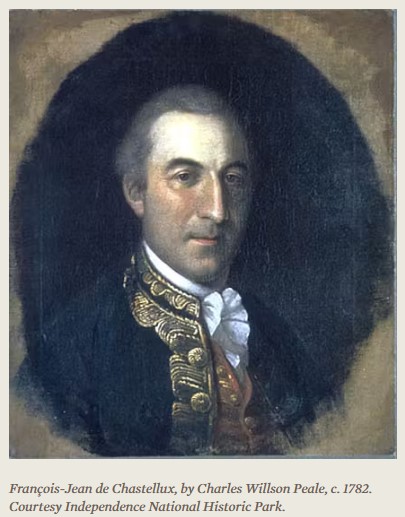
As the fighting ensued up the Centerville corridor, Allied Lt. Colonel Banastre Tarleton approached ‘Spencer’s Ordinary’ from Longhill Road. He admitted to Allied arms being lost to the British there as overwhelming forces approached and the Patriots fled. However, the Allied noted that “Lafayette’s vanguard made a surprise attack upon the British, who were stealing cattle from the neighborhood.” They were caught by surprise and forced to fight. After the fray, the Marquis de Chastellux held that it was only when Cornwallis came to his men’s rescue that the Allies fled. Various accounts were recorded arguing that one side was victorious over the other. Nearly 150 men were killed or wounded. This battle is believed to have given rise to the name ‘War Hill,’ a large tract between Centerville and Longhill Roads.”6
So, there you have it: the story of how Warhill came to refer to this particular area in James City County, VA, and a story that every student at Warhill High School should learn in history class!

- McCartney, Martha W. James City County: Keystone of the Commonwealth. Donning Company/Publishers, 1997; 221. ↩︎
- History of Kingsmill in Williamsburg VA – Mr. Williamsburg (mrwilliamsburg.com) ↩︎
- Stewart, Robert A. History of the Virginia Navy. Richmond, 1923; 94, 101-102. ↩︎
- McCartney, 222. ↩︎
- Tustin, Joseph P. Diary of the American War, A Hessian Journal: Captain Johann Ewald, Field Jager Corps, New Haven and London, 1979; 308-311, 341. ↩︎
- McCartney, 224. ↩︎



 Just Joe
Leave a comment